
Egyptian hieroglyphics have captivated the imagination of people for thousands of years. The intricate symbols and drawings adorning the walls of ancient Egyptian temples and tombs remain a mystery to many, yet they hold the key to unlocking the secrets of this long-lost civilization. In this article, we'll delve into the world of hieroglyphics and explore what makes these symbols so intriguing and important to our understanding of the ancient Egyptians.
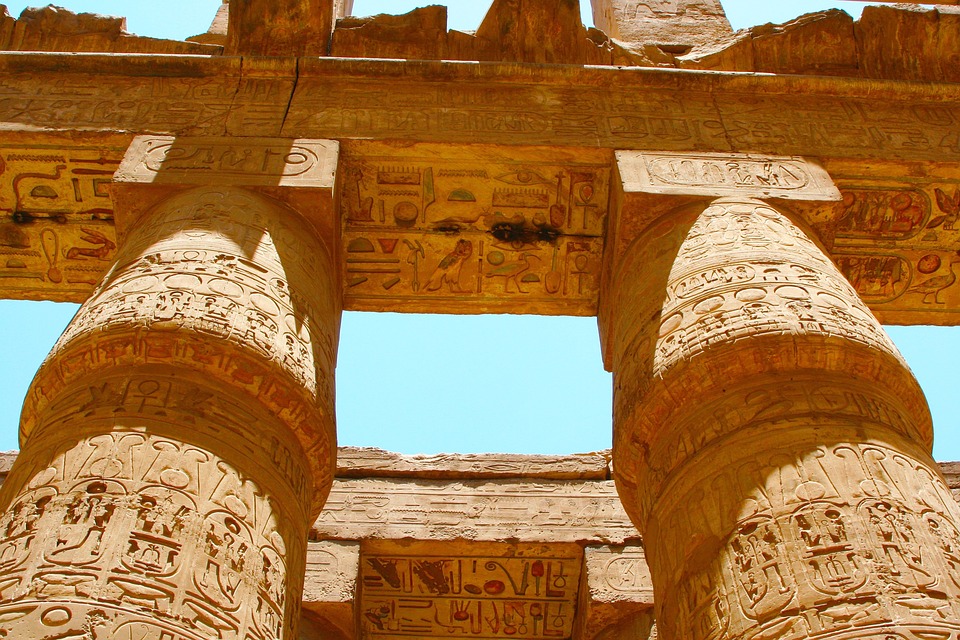
The History of Hieroglyphics
Hieroglyphics have a rich history that spans back over 3,000 years. The earliest known examples of these symbols were found in the early dynastic period of Egypt and were used to represent ideas and words. Over time, the use of hieroglyphics evolved and became more sophisticated, incorporating more intricate symbols and elaborate illustrations.
By the time of the Pharaohs, hieroglyphics had become the primary form of written communication in ancient Egypt. They were used to record everything from religious texts to mundane administrative documents, and they were considered to be a sacred form of writing that only the most educated scribes were allowed to use.

Despite their widespread use, the meaning of many hieroglyphics remained a mystery for centuries. It wasn't until the discovery of the Rosetta Stone in 1799 that scholars were able to make any significant headway in deciphering these symbols. The Rosetta Stone, which was written in three different scripts (including Egyptian hieroglyphics), provided the key to unlocking the mystery of the ancient Egyptian writing system.
The Meanings Behind Hieroglyphics
Hieroglyphics were more than just symbols and illustrations; they held deep meanings and conveyed important messages. Some of the symbols represented ideas or concepts, such as the sun, the moon, and various animals. Others represented sounds or phonetic elements, allowing the ancient Egyptians to write out words and sentences.
In addition to conveying specific meanings, the use of hieroglyphics was also highly symbolic. The placement of symbols, the size and orientation of the illustrations, and the overall design of the text all held significant meaning and conveyed a message to the reader.
For example, the symbol of the sun was often used to represent the pharaoh and the power of the divine. In religious texts, the sun was depicted as rising in the east and setting in the west, symbolizing the journey of the pharaoh's soul from life to death and back again.

The Art of Hieroglyphics
In addition to their symbolic meanings, hieroglyphics were also beautiful works of art. The intricate symbols and elaborate illustrations were carefully crafted and often adorned with vibrant colors.
The art of creating hieroglyphics was highly respected in ancient Egypt, and only the most skilled scribes were allowed to produce these symbols. The creation of hieroglyphics was a slow and meticulous process, requiring a deep understanding of the symbols and their meanings.

The beauty and skill that went into the creation of hieroglyphics is evident in the many stunning examples that still exist today. From the stunning reliefs and paintings in the temples of Luxor and Karnak to the elaborate carvings in the tombs of the Valley of the Kings, the art of hieroglyphics continues to captivate and inspire people to this day.
The Importance of Hieroglyphics
Hieroglyphics are an important window into the world of ancient Egypt. Through these symbols, we can gain insights into the beliefs, customs, and daily life of this long-lost civilization.
By studying hieroglyphics, we can
better understand the religious, political, and cultural systems of the ancient Egyptians, as well as the historical events that shaped their society. Hieroglyphics also give us a glimpse into the daily lives of the people, from their work and recreation to their family relationships and interactions with the gods.
In addition to the historical and cultural information they provide, hieroglyphics also play an important role in the study of language and writing. The development of the Egyptian writing system, with its use of symbols and phonetic elements, provides valuable insights into the evolution of writing and the creation of language.
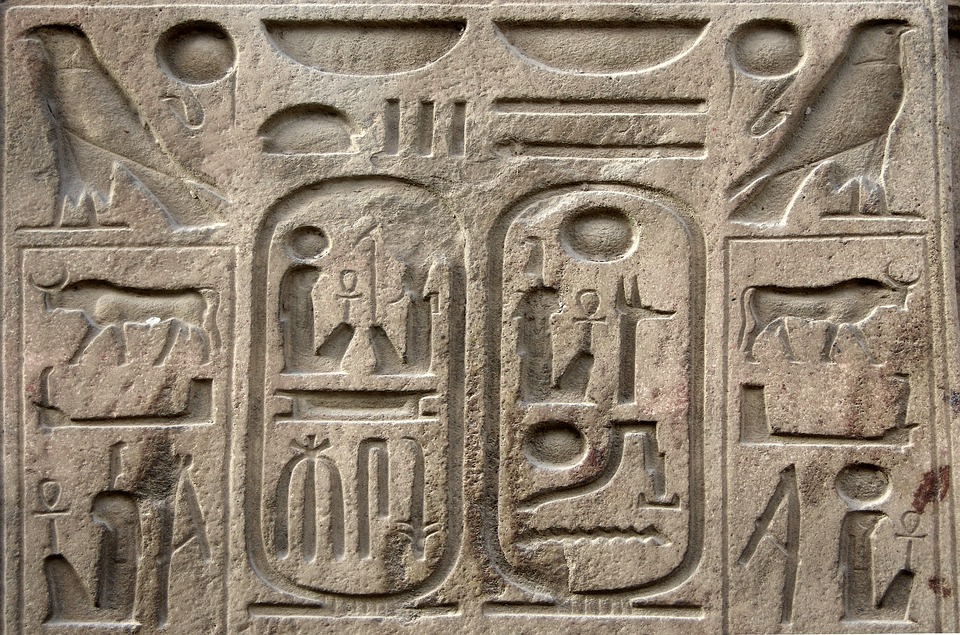
Furthermore, the preservation of hieroglyphics has allowed us to learn about the lost art of this writing system and appreciate the beauty and skill that went into its creation. The study of hieroglyphics continues to be an important field of research, as scholars work to uncover new information and gain a deeper understanding of this fascinating aspect of ancient Egyptian culture.
Conclusion
The mysterious world of Egyptian hieroglyphics is a rich and fascinating subject that continues to captivate people of all ages. From their history and meanings to the art and skill involved in their creation, hieroglyphics provide a window into the world of ancient Egypt and offer valuable insights into the development of language and writing.
Through the study of these symbols, we can gain a deeper understanding of this long-lost civilization and appreciate the rich cultural heritage that it has left behind. So the next time you visit an ancient Egyptian temple or tomb, take a moment to admire the stunning hieroglyphics adorning the walls and marvel at the mystery and beauty of this fascinating writing system.
FAQs
What is the origin of Egyptian hieroglyphics?
Egyptian hieroglyphics have a rich history that spans back over 3,000 years to the early dynastic period of Egypt.
What was the purpose of hieroglyphics in ancient Egypt?
Hieroglyphics were used as the primary form of written communication in ancient Egypt, serving to record everything from religious texts to administrative documents. They also held symbolic meanings and conveyed important messages to the reader.
Who was allowed to create hieroglyphics?
Only the most skilled scribes were allowed to create hieroglyphics, as the creation of these symbols was considered a sacred art form.
What can we learn from hieroglyphics?
By studying hieroglyphics, we can gain insights into the beliefs, customs, and daily life of the ancient Egyptians, as well as the evolution of language and writing.
Why are hieroglyphics considered important?
Hieroglyphics are considered important as they provide a window into the world of ancient Egypt, allowing us to learn about this long-lost civilization and appreciate its cultural heritage. They also play a role in the study of language and writing and are beautiful works of art in their own right.
Planning your Egypt trip?
Tell us your dates and what you want to see. Our local team replies within 24 hours with a tailor-made plan and a clear price.
Get your free consultation