
Almost every travel guide to Egypt tells you the same thing: fly to Cairo, look at the pyramids, and then take a standard river cruise from Luxor to Aswan. On a standard cruise, you will join hundreds of other travelers shuffling through Karnak, Edfu, and Kom Ombo. These main attractions are undeniably historic, but they represent only a tiny fraction of what the Nile valley actually holds. If you limit yourself to the standard commercial stops, you are missing some of the most remarkable archaeological ruins in the country.
Between the major cities of Luxor and Aswan lie ancient settlements, military fortifications, and rock-cut quarries that have stood for thousands of years. Places like the mud-brick ruins of El Kab and the towering sandstone cliffs of Gebel el-Silsila are virtually untouched by modern mass tourism. Why? Because the massive, multi-deck commercial ships are physically too large to dock there, and their schedules are too rushed to allow for slow, deliberate exploration.
At Ez Tour Egypt, we believe that the best parts of Egypt are found when you step away from the crowds. In this guide, we will look at the specific historical ruins that you can only visit on a smaller, slower boat like a Dahabiya. We will talk about the actual people who built these monuments, explain why these hidden sites are so well preserved, and give you practical, realistic advice on how to structure your 2026 travel plans to see them.
Plan a Custom Egypt Itinerary
If you want to skip the pre-packaged tourist routes and see the real Egypt, let our team build a private itinerary for you.
1. El Kab: The Ancient Stronghold of the Vulture Goddess
Located on the East Bank of the Nile, about 80 kilometers south of Luxor, lies the ancient city of Nekheb, known today as El Kab. Long before the pyramids of Giza were built, El Kab was a thriving, fortified city. It served as the capital of Upper Egypt during the early Dynastic period and was dedicated to Nekhbet, the protective vulture goddess who was depicted on the crowns of the pharaohs.
When you approach El Kab from the river, the first thing that strikes you is the sheer scale of the mud-brick fortification walls. These walls are massive—measuring over 10 meters high and 12 meters thick—and they form a perfect square around the ancient town. It is incredible to think that these sun-dried mud bricks have survived the wind, heat, and occasional rain for over 4,000 years without collapsing.
Just beyond the ancient walls, carved directly into the side of the nearby desert cliffs, are the tombs of the New Kingdom nobles. These are not grand royal tombs like those in the Valley of the Kings, but they are far more personal and historically significant in many ways:
• The Tomb of Ahmose, Son of Ebana: Ahmose was a military officer who served under three different pharaohs. On the walls of his tomb, he carved a detailed, firsthand biographical account of the military campaigns that expelled the foreign Hyksos invaders from Egypt. This text is one of the most important historical documents of the New Kingdom, providing historians with the exact details of how Egypt regained its independence.
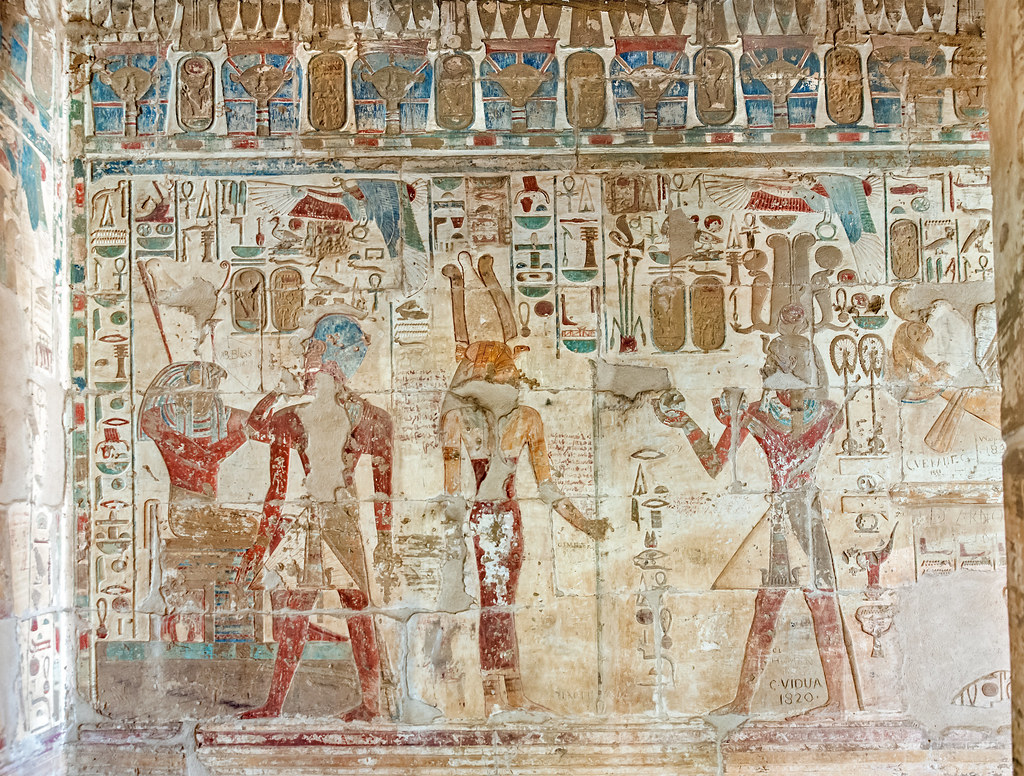
• The Tomb of Paheri: Paheri was a local governor and high priest. His tomb walls are covered in detailed, colorful scenes of daily agricultural life—farmers plowing fields, sowing grain, harvesting grapes, and catching fish. It gives you an incredibly clear, human look at the everyday lives of ordinary Egyptians, far removed from the grand battles of the pharaohs.
2. Gebel el-Silsila: The Birthplace of Egypt's Sandstone Temples
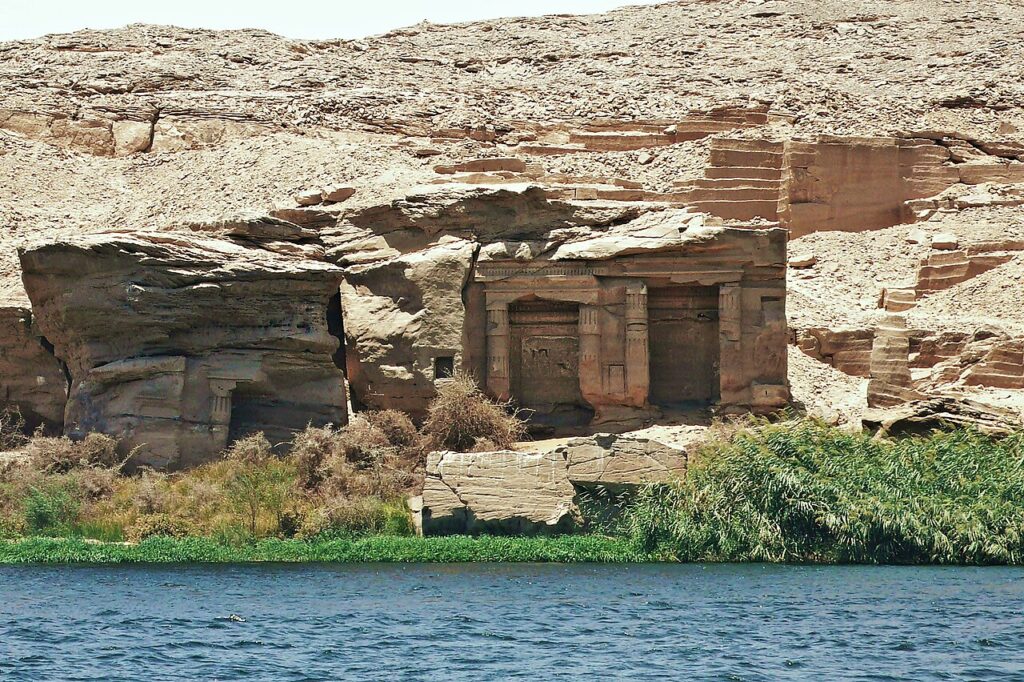
Further south, about 65 kilometers north of Aswan, the Nile narrows dramatically as it cuts through steep cliffs of solid sandstone. This geographical choke point is known as Gebel el-Silsila. For thousands of years, this was the most important quarry in ancient Egypt.
During the New Kingdom, the pharaohs shifted their building materials from limestone to sandstone, which allowed them to construct much larger temples with massive architraves and wider column spans. Nearly all the great sandstone temples of Upper Egypt—including Karnak, Luxor, the Ramesseum, Medinet Habu, and Kom Ombo—were built using stone cut directly from the quarries of Gebel el-Silsila. Millions of tons of sandstone were manually chiseled from these cliffs, loaded onto wooden barges, and floated down the Nile during the annual flood season.
Because commercial cruise ships cannot dock in this narrow, rocky stretch of the river, Gebel el-Silsila feels like an abandoned archaeological playground. Walking through the site, you can see:
• The Speos of Horemheb: A remarkable temple cut directly into the rock cliffs by Pharaoh Horemheb. Inside, the walls are covered in highly detailed carvings showing the pharaoh offering gifts to the local river gods, including Sobek, the crocodile deity.
• Unfinished Monuments: You can walk through the actual quarry pits and see massive sandstone blocks that were partially carved but never detached from the bedrock. You can still see the chisel marks left by the ancient quarry workers, giving you a tangible, realistic look at the ancient engineering process.
• Royal Stelas: High on the cliffs, pharaohs like Seti I, Ramesses II, and Merenptah carved massive monuments commemorating their quarrying expeditions, documenting the thousands of workers who labored here under the intense desert sun.
Private Sightseeing in Luxor and Aswan
Skip the crowded tour groups. Our private day trips are led by professional Egyptologists who can translate the walls of these ancient sites.
Private Sightseeing in Luxor and Aswan
Skip the crowded tour groups. Our private day trips are led by professional Egyptologists who can translate the walls of these ancient sites.
3. The Temple of Khnum in Esna: Carvings Hidden Under Silt
Another stop that standard itineraries often rush through is the Temple of Khnum in Esna. Located about 55 kilometers south of Luxor, this temple is unique because it sits in a deep pit, nine meters below the level of the surrounding modern streets.
Over the course of 2,000 years, the annual flooding of the Nile deposited layers of silt and mud over the temple. As the ancient monument was slowly buried, the modern town of Esna grew directly on top of the silt layers. It wasn't until the 19th century that archaeologists began excavating the site, clearing away the packed dirt to reveal the grand hypostyle hall.
Because it was protected under the dirt for so long, the carvings inside the temple are incredibly well preserved. The columns feature unique floral capitals, with no two designs being exactly alike. On the ceiling, you can see highly detailed Roman-era astronomical charts and zodiac signs. Because the temple is still partially buried under the modern town, you get a realistic, physical sense of how deeply the history of Egypt is layered under the modern soil.
4. Symmetrical Design at Kom Ombo: Medicine and Crocodile Mummies
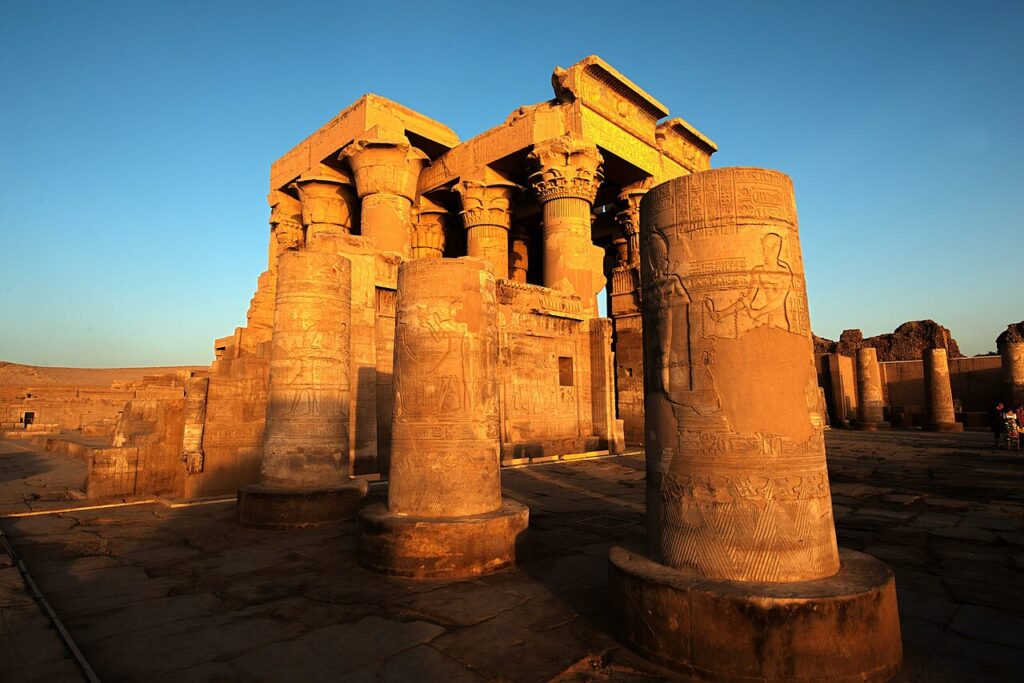
As you travel closer to Aswan, you will stop at the Temple of Kom Ombo. This temple sits on a high bend of the river, where crocodiles used to gather in ancient times. To appease these dangerous predators, the ancient builders dedicated the temple to two distinct gods: Sobek, the crocodile god, and Horus the Elder, the falcon god.
Because of this dual dedication, the temple features a unique, perfectly symmetrical double design. There are two parallel entrances, two hypostyle halls, and two identical sanctuaries. The quality of the carvings at Kom Ombo is widely considered to be among the highest of the Ptolemaic period:
• Ancient Medical Instruments: On the rear wall of the temple, you can see a famous carving depicting a collection of ancient medical instruments, including scalpels, forceps, bone saws, and birthing chairs. It shows that the temple served as a place of healing and medical science, far ahead of its time.
• The Crocodile Museum: Right next to the temple ruins is a small, air-conditioned museum that houses dozens of mummified crocodiles discovered in nearby tombs. In ancient times, these animals were kept in sacred pools, adorned with gold jewelry, and carefully mummified after their deaths as earthly representatives of Sobek.
Boutique Nile Cruises and Private Charters
Explore the Nile slowly on a traditional wind-powered Dahabiya or a premium, hand-selected luxury cruiser.
5. Planning Your 2026 Slow-Travel Itinerary
If you want to see these hidden ruins, you need to be deliberate about how you plan your Egypt vacation. A standard 5 day egypt tour or a fast-paced Cairo trip simply won't leave enough margin. Instead, we highly recommend looking at a 7 day egypt tour package that integrates a 6-day Dahabiya cruise.
By starting your cruise in Luxor and ending in Aswan, you cover the core highlights of Upper Egypt at a relaxed, comfortable pace. You have plenty of lazy afternoons to read your books, watch the green farmland slide past, and enjoy fresh, market-to-table meals prepared by your onboard chef. More importantly, you have the flexibility to step off the boat and explore ancient quarries and rock-cut tombs without being pushed around by massive crowds.
At Ez Tour egypt, we specialize in taking the stress out of your journey. We handle all your domestic flights, arrange for private, licensed drivers who won't rush you, and pair you with professional, friendly Egyptologists who can translate the history of the Nile valley right before your eyes. Whether you are looking for a standard Nile cruise or a high-end egypt and jordan luxury tours package, we are here to help you see the real Egypt, slowly and authentic.
Comparing Nile River Cruise Options for Your Egypt Vacation
When researching your Egypt vacation options, understanding the differences between the types of boats is the most important decision you will make.
1. Standard Nile Cruise Ships: These large, multi-deck vessels are essentially floating hotels. They usually carry between 80 and 150 passengers and offer consistent amenities, private bathrooms, small pools, and large buffet dining. While they are highly budget-friendly, they must stick to rigid schedules and cannot stop at small, remote sites like Gebel el-Silsila or El Kab.
2. Premium Luxury Cruisers: Vessels like the Sanctuary Sun Boat III luxury cruise offer a more refined, quiet experience. With a smaller passenger count and higher-end dining, they represent an excellent mid-range compromise for travelers who want comfort without the massive crowds of cheap commercial ships.
3. Boutique Dahabiyas: A traditional nile river cruise dahabiya is a wooden sailboat with about 8 to 10 cabins. It relies on the wind, offers a highly personalized experience, and can dock anywhere along the riverbank. This is the ultimate choice for travelers who value privacy, slow travel, and exclusive access to hidden ruins.
Structuring a 7-Day Egypt Tour Package
To get the most out of your holiday, your itinerary should be structured to balance the high-energy sightseeing of Cairo with the relaxing pace of the Nile:
* Days 1-2: Cairo Sightseeing. Focus on the Giza Pyramids, the Sphinx, and the historic artifacts at the Grand Egyptian Museum. Spend your evenings exploring the local food stalls or shopping in Cairo.
* Days 3-6: The Classic Luxor to Aswan Route. Board your nile river cruise dahabiya or luxury cruiser in Luxor. Spend your mornings exploring ancient tombs on both banks of the river and your afternoons relaxing on the water as you sail south.
* Day 7: Arrive in Aswan, visit Philae Temple and the High Dam, and take an optional day trip south to the colossal temples of Abu Simbel before flying back to Cairo.
By separating the busy city tours of the north from the slow-paced sailing of the south, you avoid travel exhaustion and ensure you have the mental margin to fully appreciate the ancient art.
Understanding Seasonality: The Best Time for Nile Cruise Travel
The weather in Upper Egypt can be incredibly intense, especially during the summer. The absolute best time for nile cruise travel is between October and April. During these winter months, temperatures average a comfortable 20-25°C, making long walks through unshaded temple ruins highly comfortable.
If you visit during the summer months of June, July, or August, temperatures in Luxor and Aswan can easily exceed 45°C, which can make outdoor sightseeing physically exhausting. Additionally, the wind patterns in the winter are perfect for sailing, allowing you to experience the Dahabiya under the power of its massive sails.
Navigating Local Customs, Currency, and Tipping
Egypt is largely a cash-based economy once you step off the ship. It is highly recommended to carry plenty of small banknotes of Egyptian Pounds (EGP) for everyday purchases, souvenirs, and tipping (Baksheesh). Tipping is a deeply ingrained part of the local culture and serves as a vital source of income for drivers, temple guards, and ship crews.
When you book with Ez Tour egypt, we simplify this process by coordinating your transfers, securing your temple entry tickets, and managing the tipping protocols on our private charters so you can focus entirely on enjoying your journey.
Planning your Egypt trip?
Tell us your dates and what you want to see. Our local team replies within 24 hours with a tailor-made plan and a clear price.
Get your free consultation