
Here's a list of 90 things about Egyptian protection symbols that you may not know:
- The Eye of Ra is a symbol of protection and royal power in ancient Egyptian mythology.
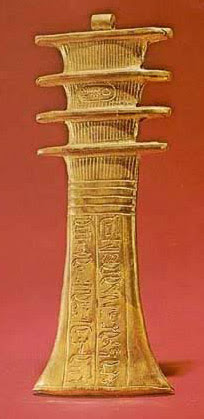
- The Djed pillar was a symbol of stability and strength and was often used in amulets for protection.
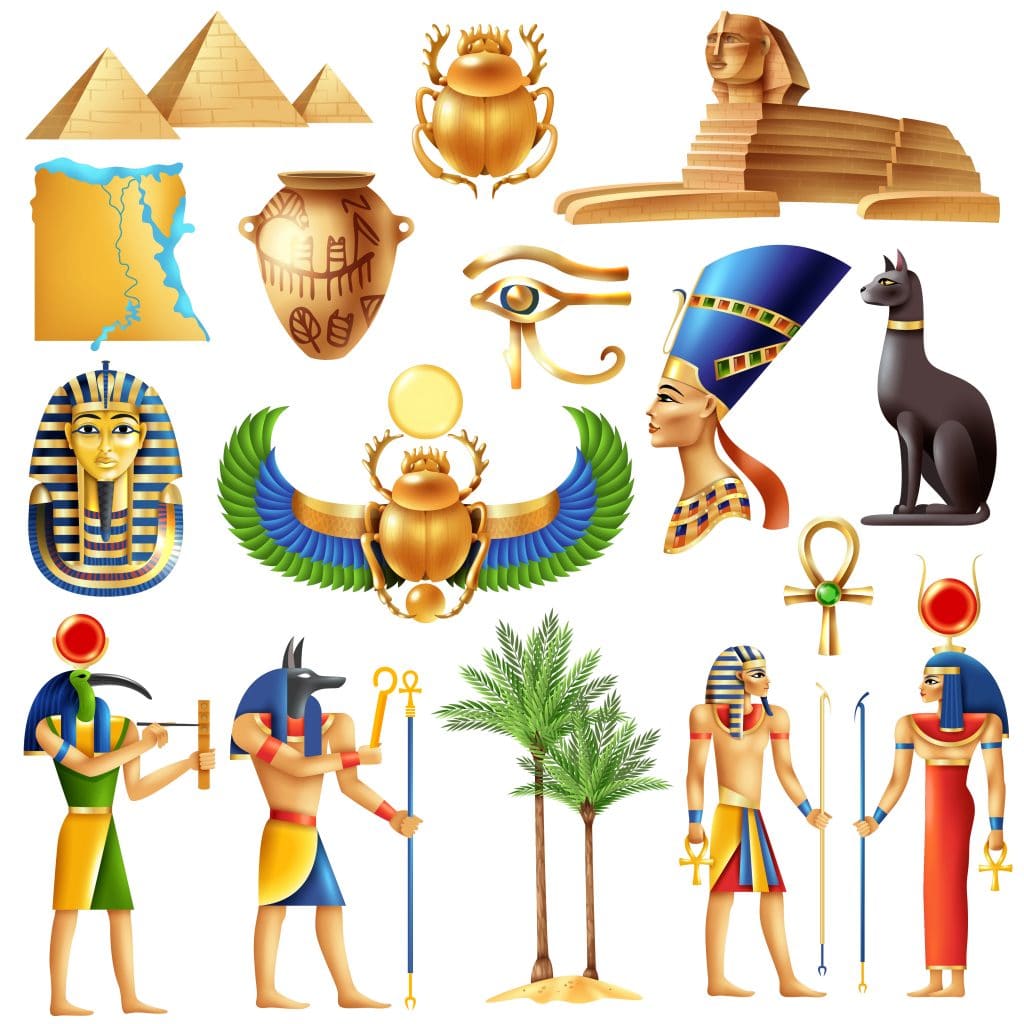
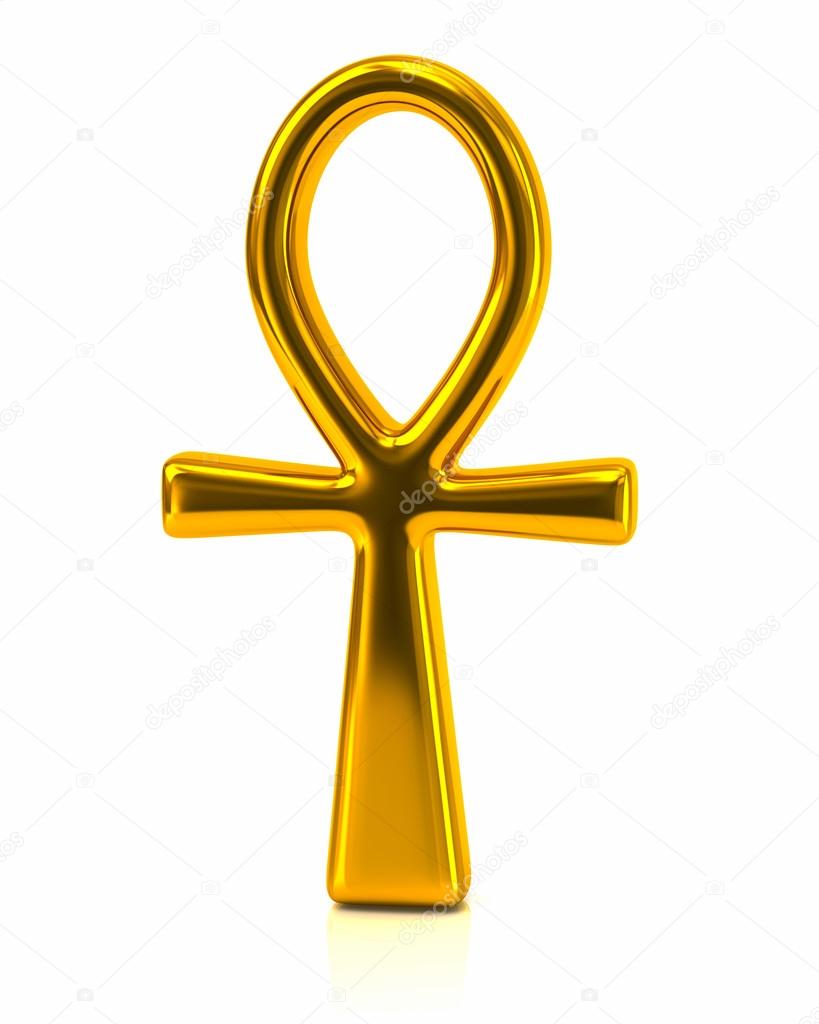
- The Ankh, the Egyptian key of life, symbolized life and was often used in funerary art to protect the deceased.
- The Shen ring represented infinity and was used to protect against harm.
- The Scarab beetle was a symbol of regeneration and was often used in amulets for protection.
- The Wadjet Eye was a symbol of protection and was often used in amulets and talismans.
- The Tyet knot was a symbol of fertility and protection and was often used in childbirth amulets.
- The Sistrum was a musical instrument used in religious ceremonies to drive away evil spirits.
- The Uraeus was a symbol of protection and divine authority, often seen on the headdress of pharaohs.
- The Vulture symbolized motherhood and protection, often depicted with outstretched wings.
- The Crocodile was a symbol of protection and represented the god Sobek.
- The Horned Viper was a symbol of protection, often depicted with horns and a coiled body.
- The Ba bird was a symbol of protection and represented the soul of the deceased.
- The Scarab was often used in funerary art as a symbol of protection and regeneration.
- The Cobra was a symbol of protection, often depicted with a raised hood.
- The Sphinx was a symbol of protection and represented the pharaoh's power and wisdom.
- The Cartouche was a symbol of protection, often containing the name of a pharaoh or deity.
- The Lotus flower was a symbol of protection and represented rebirth and purity.
- The Anubis jackal was a symbol of protection and represented the god of mummification.
- The Hathor cow was a symbol of protection and represented the goddess of love and motherhood.
- The Horus falcon was a symbol of protection and represented the god of the sky and kingship.
- The Maat feather was a symbol of protection and represented truth, balance, and justice.
- The Shenu glyph was a symbol of protection and represented eternity and infinity.
- The Tiet knot was a symbol of protection and represented the goddess Isis.
- The Scarab was often used in funerary art as a symbol of protection and regeneration.
- The Eye of Horus was a symbol of protection and represented healing and rejuvenation.
- The Bastet cat was a symbol of protection and represented the goddess of fertility and motherhood.
- The Ammit creature was a symbol of protection and represented the devourer of the dead.
- The Nekhbet vulture was a symbol of protection and represented the goddess of childbirth.
- The Sekhmet lioness was a symbol of protection and represented the goddess of war and healing.
- The Neith weaver was a symbol of protection and represented the goddess of creation and fate.
- The Taweret hippopotamus was a symbol of protection and represented the goddess of childbirth.
- The Khepri beetle was a symbol of protection and represented the god of the rising sun.
- The Bes dwarf was a symbol of protection and represented the god of household and childbirth.
- The Heh god was a symbol of protection and represented infinity and eternal life.
- The Set animal was a symbol of protection and represented the god of chaos and storms.
- The Serqet scorpion was a symbol of protection and represented the goddess of venom and healing.
- The Qebehsenuef falcon was a symbol of protection and represented one of the Four Sons of Horus, who protected the organs of the deceased.
- The Duamutef jackal was a symbol of protection and represented another of the Four Sons of Horus, who protected the stomach of the deceased.
- The Hapi baboon was a symbol of protection and represented one of the Four Sons of Horus, who protected the lungs of the deceased.
- The Imsety human was a symbol of protection and represented the last of the Four Sons of Horus, who protected the liver of the deceased.
- The Sopdet star was a symbol of protection and represented the goddess of the morning star and fertility.
- The Seshat ibis was a symbol of protection and represented the goddess of writing and knowledge.
- The Maahes lion was a symbol of protection and represented the god of war and protection.
- The Tefnut lioness was a symbol of protection and represented the goddess of moisture and the sun.
- The Heka frog was a symbol of protection and represented the god of magic and fertility.
- The Nut sky goddess was a symbol of protection and represented the mother of the gods and goddesses.
- The Sobek crocodile was a symbol of protection and represented the god of the Nile and fertility.
- The Nuit goddess was a symbol of protection and represented the goddess of the night sky and the universe.
- The Geb earth god was a symbol of protection and represented the father of the gods and goddesses.
- The Wepwawet wolf was a symbol of protection and represented the god of warfare and hunting.
- The Menat necklace was a symbol of protection and represented the goddess Hathor's power over fertility and childbirth.
- The Tjet knot was a symbol of protection and represented the goddess Isis's power over healing and resurrection.
- The Meskhetiu bull was a symbol of protection and represented the god of fertility and power.
- The Nefer symbol was a symbol of protection and represented beauty, perfection, and protection.
- The Amentet goddess was a symbol of protection and represented the goddess of the underworld and the afterlife.
- The Hedjet crown was a symbol of protection and represented the White Crown of Upper Egypt.
- The Deshret crown was a symbol of protection and represented the Red Crown of Lower Egypt.
- The Nemes headdress was a symbol of protection and was worn by the pharaohs as a symbol of their power and protection.
- The Uraei snakes were a symbol of protection and were often depicted on the headdress of pharaohs to represent their divine protection.
- The Nebu symbol was a symbol of protection and represented the power of the pharaoh to unite Upper and Lower Egypt.
- The Tyet amulet was a symbol of protection and was often placed on the mummy of the deceased to protect their body and soul.
- The Scarab amulet was a symbol of protection and was often placed on the mummy of the deceased to protect their heart and ensure their safe journey to the afterlife.
- The Udjat Eye was a symbol of protection and was often used in amulets and talismans to ward off evil spirits and protect against harm.
- The Scaraboid amulet was a symbol of protection and was often used as a talisman to protect against illness and harm.
- The Djed amulet was a symbol of protection and was often used to strengthen the wearer and provide stability
- The Shen ring was a symbol of protection and represented the concept of eternal protection and infinity.
- The Was scepter was a symbol of protection and represented the power of the gods to protect and rule over the land.
- The Ankh cross was a symbol of protection and represented the key to eternal life and protection.
- The Benben stone was a symbol of protection and represented the primordial mound from which creation emerged.
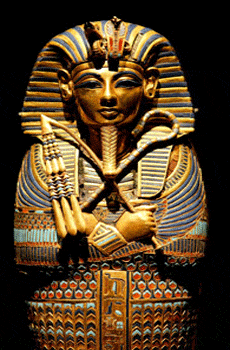
- The Crook and Flail were symbols of protection and represented the pharaoh's power and ability to protect and care for his people.
- The Sa symbol was a symbol of protection and represented the power of the goddess Neith to protect and provide guidance.
- The Nub symbol was a symbol of protection and represented the power of the goddess Nekhbet to protect and provide nourishment.
- The Eye of Ra was a symbol of protection and represented the sun god's power to protect and punish his enemies.
- The Wadjet Eye was a symbol of protection and represented the goddess of protection and healing.
- The Sistrum was a musical instrument used in religious ceremonies to provide protection and ward off evil spirits.
- The Nehmetaway symbol was a symbol of protection and represented the power of the goddess Hathor to protect and provide healing.
- The Tcham scepter was a symbol of protection and represented the power of the god Horus to protect and provide justice.
- The Seba symbol was a symbol of protection and represented the power of the god Set to protect and provide strength.
- The Serpentine symbol was a symbol of protection and represented the power of the god Apophis to protect and provide wisdom.
- The Heh god was a symbol of protection and represented the god of eternity and protection.
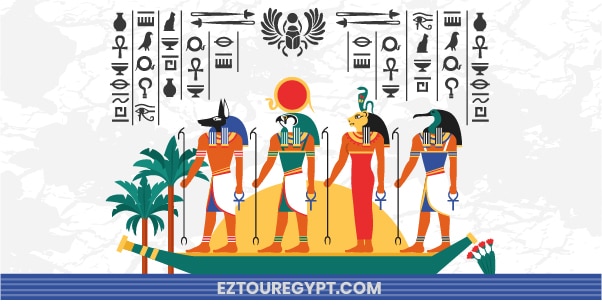
- The Hennu boat was a symbol of protection and represented the boat of the sun god, which protected him during his journey across the sky.
- The Ren amulet was a symbol of protection and represented the name of the deceased, which was believed to protect their identity and spirit in the afterlife.
- The Crocodile god was a symbol of protection and represented the god of fertility and the Nile.
- The Bastet cat was a symbol of protection and represented the goddess of protection and joy.
- The Anubis jackal was a symbol of protection and represented the god of mummification and protection.
- The Khepri beetle was a symbol of protection and represented the god of rebirth and protection.
- The Nekhbet vulture was a symbol of protection and represented the goddess of protection and maternity.
- The Maat feather was a symbol of protection and represented the goddess of truth and justice.
- The Shu air god was a symbol of protection and represented the god of air and protection.



Planning your Egypt trip?
Tell us your dates and what you want to see. Our local team replies within 24 hours with a tailor-made plan and a clear price.
Get your free consultation